
Why London Businesses Are Moving to Third-Party Warehousing in 2026
A Shift in How Businesses Think About Warehousing
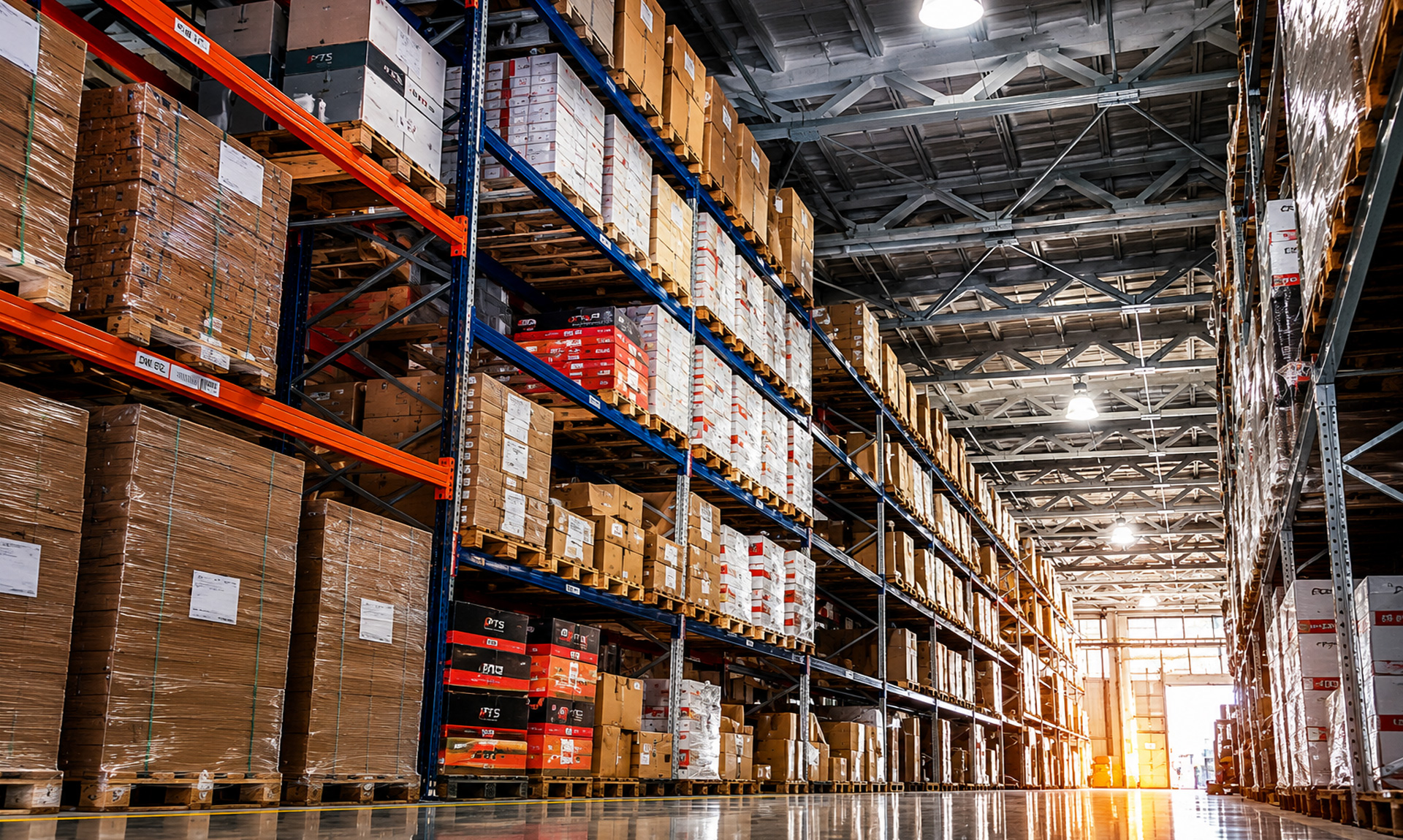
The way businesses approach warehousing is changing rapidly. Across London and the South East, more companies are moving away from managing their own storage facilities and instead turning to third-party warehousing providers to support their operations. What was once considered an optional service has increasingly become a strategic business decision.
The reasons behind this shift are simple. Operating costs continue to rise, customer expectations are higher than ever, and businesses need greater flexibility to respond to an increasingly unpredictable market. As a result, outsourced warehousing is becoming an attractive solution for organisations looking to reduce costs while improving efficiency and scalability.
Rising Costs of Commercial Warehousing in London
One of the biggest challenges facing businesses today is the cost of commercial property. Warehouse space in and around London comes at a premium, and the expenses extend far beyond rent alone. Business rates, insurance, maintenance, utilities and equipment costs can quickly place significant pressure on a company’s finances. For many organisations, maintaining their own warehouse has become an increasingly expensive commitment that ties up valuable resources and capital.
These costs are often fixed regardless of how efficiently the space is used, meaning businesses can end up paying for capacity they do not fully utilise. Third-party warehousing provides an alternative that turns these fixed costs into flexible operational expenses.
Labour and Operational Pressures
Labour costs are also playing a major role in the move towards third-party warehousing. Managing a warehouse requires experienced staff, from warehouse operatives and forklift drivers to inventory management and administration teams. Recruitment challenges and rising wage costs mean that businesses are often spending considerable time and money simply maintaining their storage operations.
By outsourcing warehousing, businesses gain access to experienced logistics professionals and established systems without the burden of managing these functions internally. This allows companies to focus on their core operations while leaving storage, handling and fulfilment to specialists.
The Need for Greater Flexibility
Flexibility has become another major factor influencing decision-making in 2026. Business demand rarely remains constant. Seasonal peaks, large projects, supply chain disruptions and unexpected opportunities can all dramatically change storage requirements within a short period of time.
Companies operating their own facilities may find themselves paying for unused space during quieter periods or struggling for capacity during busier ones. Third-party warehousing provides the ability to scale operations up or down as required, giving businesses the agility they need to adapt to changing circumstances without long-term financial strain.
Reducing Overheads and Improving Cash Flow
Reducing overheads has become a key priority for organisations looking to remain competitive. Every pound invested in warehouse property, equipment and staffing is money that cannot be invested elsewhere. Businesses are increasingly seeking ways to redirect resources towards growth, customer service, new opportunities and operational improvements.
Outsourced warehousing allows companies to access professional storage and distribution services while maintaining greater financial flexibility. This shift often leads to improved cash flow, reduced capital expenditure and a more efficient allocation of internal resources.
Warehousing as Part of a Wider Logistics Solution
Modern warehousing has evolved far beyond simply storing goods. Today’s businesses require integrated logistics solutions that include inventory management, consolidation services, distribution planning and efficient transport networks. Working with an experienced third-party provider allows organisations to benefit from specialist expertise and streamlined logistics operations without having to build these capabilities themselves.
This is particularly important for businesses operating across London and the South East, where efficient movement of goods can have a direct impact on customer satisfaction and overall performance. When warehousing and transport are combined under one provider, supply chains become simpler, communication improves and operational efficiency increases.
The Outlook for 2026 and Beyond
As economic pressures continue and customer expectations evolve, the trend towards third-party warehousing is only expected to accelerate. Businesses are increasingly seeking solutions that offer flexibility, predictability and professional logistics support without the costs and complexities of operating their own facilities.
Third-party warehousing is no longer simply about finding additional storage space. It is about creating a more resilient, scalable and efficient business model that can adapt to change and support long-term growth.
Supporting Business Growth Through Smarter Warehousing
At Platinum Transport Solutions, businesses across London and the South East benefit from flexible warehousing, consolidation and integrated transport solutions designed to support growth, simplify logistics and provide complete confidence throughout the supply chain.