
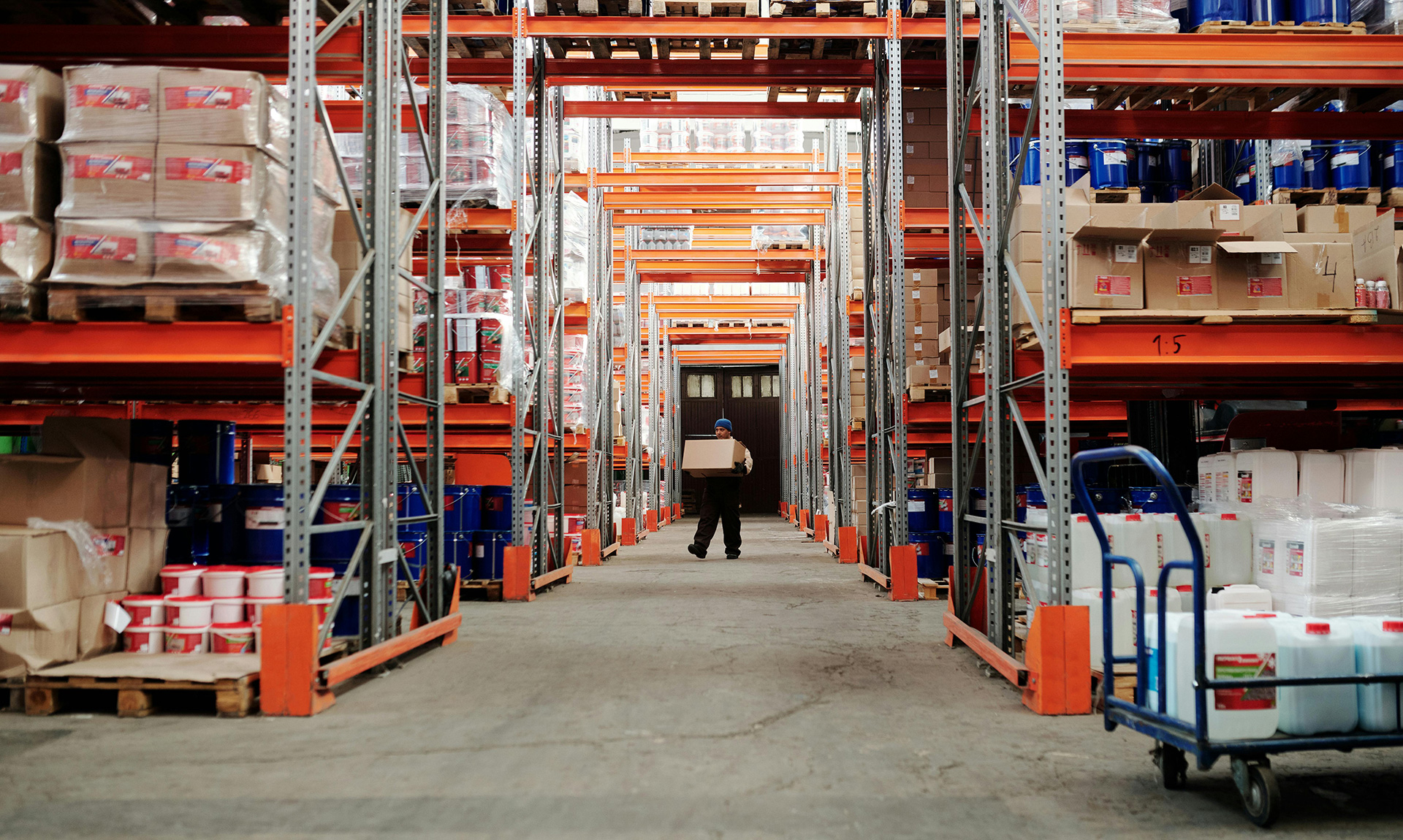
Why Platinum Transport Solutions’ Warehousing Model Matters
As a business operating in and around London, warehousing is no longer just about space — it’s about control, visibility, speed, and risk management. Rising transport costs, tighter delivery windows, and increasing compliance requirements mean that choosing the right storage partner can directly influence profitability and customer satisfaction.
Recently, I’ve been exploring the warehousing capabilities of Platinum Transport Solutions, and what stands out is how deliberately their offering has been structured to support modern supply chain pressures rather than simply provide storage.
Strategic Location With Real Operational Impact
Positioned in Belvedere, Kent — just 14 miles from central London — Platinum’s 80,000 sq ft storage and consolidation centre immediately addresses one of the biggest logistical challenges: proximity to the capital without the excessive cost of central London warehousing.
For businesses distributing into London, that short distance translates into:
-
Faster last-mile delivery
-
Reduced congestion exposure
-
Lower vehicle downtime
-
Improved scheduling reliability
In industries where delivery windows are tight and site access is restricted, this proximity is commercially valuable.
A Consolidation Model That Reduces Complexity
What particularly caught my attention is their consolidation approach. Rather than simply receiving palletised goods, Platinum integrates inbound freight from UK and European trailers and containers directly into their facility. Every item is checked in, stored securely, and tracked via their Warehouse Management System (WMS).
For a growing business, this means:
-
Centralised inventory visibility
-
Reduced fragmented deliveries
-
More efficient onward dispatch
-
Fewer failed delivery attempts
Consolidation isn’t just a storage benefit — it’s a cost-control mechanism. By holding and releasing goods strategically, businesses can improve delivery accuracy while reducing unnecessary transport spend.
Flexibility for Non-Standard Freight
Many logistics providers work efficiently within standard pallet dimensions. But not all businesses operate within neat boundaries.
Platinum’s emphasis on handling bulky, awkward, and non-standard freight is particularly relevant for sectors like construction, retail fit-out, specialist manufacturing, and events. Having a warehouse partner that can accommodate unusual cargo shapes and sizes reduces the need for secondary providers or specialist handling contractors.
From a commercial standpoint, that simplifies supplier management and reduces operational risk.
Compliance, Safety & Operational Assurance
Another critical factor is compliance. Platinum states adherence to Health and Safety Executive (HSE) guidelines for warehousing and logistics — an essential consideration for businesses concerned about liability, insurance exposure, and governance standards.
In today’s environment, warehousing partners aren’t just operational vendors; they are extensions of your risk profile. A secure, regulated facility with defined safety processes offers reassurance to procurement teams and senior leadership alike.
Transparent Information & Practical FAQs
It’s also worth noting that Platinum has recently added a dedicated warehousing FAQ section to their website. For decision-makers conducting due diligence, this level of transparency is valuable. The FAQ addresses practical questions around storage types, handling processes, and operational capability — making it easier to evaluate suitability without lengthy preliminary consultations.
In an industry that often relies on sales-led conversations, clear published information reflects operational confidence.
Why It Matters
For businesses distributing into London and across the UK, warehousing is no longer a passive cost centre. It is a strategic function that affects:
-
Delivery reliability
-
Inventory visibility
-
Cash flow timing
-
Compliance exposure
-
Customer satisfaction
Platinum Transport Solutions appears to position its warehousing service not simply as space, but as an integrated consolidation and distribution solution. For companies looking to streamline operations while maintaining flexibility, that distinction could prove commercially significant.
In a competitive environment where supply chain resilience is increasingly scrutinised, selecting the right warehousing partner may be one of the most impactful operational decisions a business can make.
Ultimately, scalable warehousing partnerships like this enable businesses to adapt quickly, reduce inefficiencies, and maintain competitive advantage in dynamic markets.